Halfway houses are necessary because they provide structured environments that promote independence, sobriety, and stability for individuals transitioning from treatment facilities back into society. These residences are necessary bridges between intensive treatment programs and full community reintegration, offering support systems that help residents maintain sobriety, secure employment, and develop important life skills. For example, the Oxford House model, a network of self-run recovery homes, has been recognized for its effectiveness in facilitating long-term recovery. Other names for halfway houses are transitional housing, recovery residences, supportive housing, residential reentry centers, and reintegration homes. These terms all refer to structured living environments that help individuals in recovery from addiction or those transitioning from incarceration reintegrate into society.
Halfway House: Definition, Purpose, Operation, For Whom, Benefits
Residents are expected to follow a daily routine that includes work, chores, therapy sessions, support groups, and other recovery-related activities. This consistency helps individuals avoid the temptations and chaos of unstructured living, which lead to relapse. Research by Polcin DL, Korcha R, Bond J, Galloway G., et al. 2010, titled “What did we learn from our study on sober living houses and where do we go from here? ” indicates that individuals in structured environments, such what is a halfway house as halfway houses, have a significantly lower relapse rate compared to those who skip this step in recovery.
Careers
Contact us today to schedule an initial assessment or to learn more about our services. Whether you are seeking intensive outpatient care or simply need guidance on your mental health journey, we are here to help. You should check with your insurance carrier to see what coverage they offer for a stay at a halfway home. Staff members are trained to respond to emergencies, mediate conflicts, and provide support in high-stress situations, ensuring residents’ well-being. The presence of on-site security personnel and surveillance systems further reinforces safety, and restrictions on visitors and access to the outside world help minimize the risk of exposure to harmful influences. Whether you are seeking intensive outpatient care or simply need guidance on your drug addiction journey, we are here to help.
How are Halfway Houses Regulated?
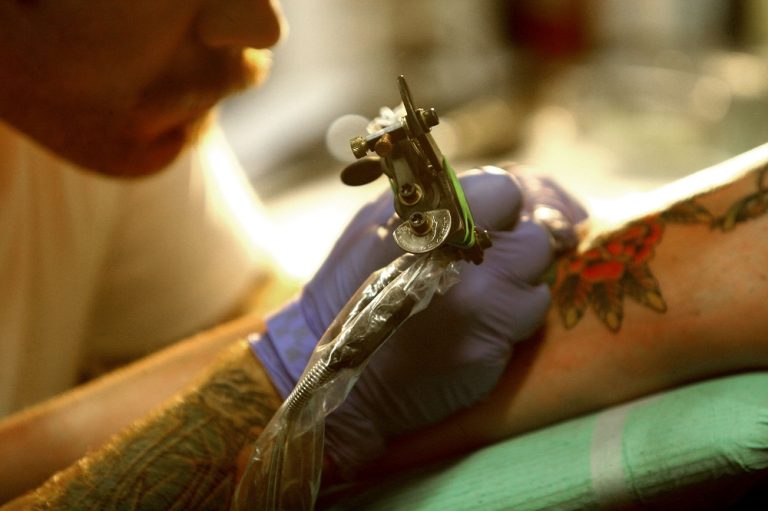
Residents must adhere to specific wake-up times, curfews, and responsibilities such as work or school attendance, house chores, and participation in group therapy or 12-step meetings. These structured routines help reinforce discipline and provide a sense of stability, which is drug addiction important in early recovery. Eligibility for halfway house residency includes individuals completing inpatient rehab, those in early recovery, people under court-mandated supervision, and individuals seeking additional support before living independently. These homes provide a stable environment for those committed to long-term sobriety.
These facilities offer a variety of services, including those aimed at promoting mental health stability and at the development of life skills. Such services help ensure successful reintegration into the community, particularly for individuals who are transitioning to independent living from intensive mental health care settings, such as psychiatric hospitals. Individuals recovering from addiction recovery, mental health treatment, or incarceration live in a halfway house as they transition back into independent living. These residences accept individuals who have completed an initial phase of treatment or rehabilitation and need structured support before fully reintegrating into society.
Do Halfway Houses Provide Medical or Therapy Services?
- They are managed by staff who enforce sobriety requirements, facilitate group meetings, and assist residents with job placement.
- Our goal is to provide a free online directory of all halfway houses and sober houses to those seeking recovery from addiction.
- To overcome these challenges effectively without losing hope requires implementing practical relapse prevention strategies such as attending 12-step meetings regularly and staying engaged in outpatient therapy if needed.
- Whether you are seeking intensive outpatient care or simply need guidance on your drug addiction journey, we are here to help.
Residents follow structured daily schedules that include curfews, mandatory therapy sessions, job search requirements, and house meetings. This structured environment helps individuals build independence while maintaining accountability. If a resident relapses in a halfway house, the response depends on the facility’s policies.Some halfway houses have strict rules resulting in the immediate removal of the individual to maintain the sobriety of other residents. Others offer additional support, such as increased counseling or a temporary transfer to a more intensive treatment program, aiming to help the individual recommit to their recovery journey. https://ecosoberhouse.com/ The facility’s guidelines and the resources available to address relapse situations influence the specific actions taken.
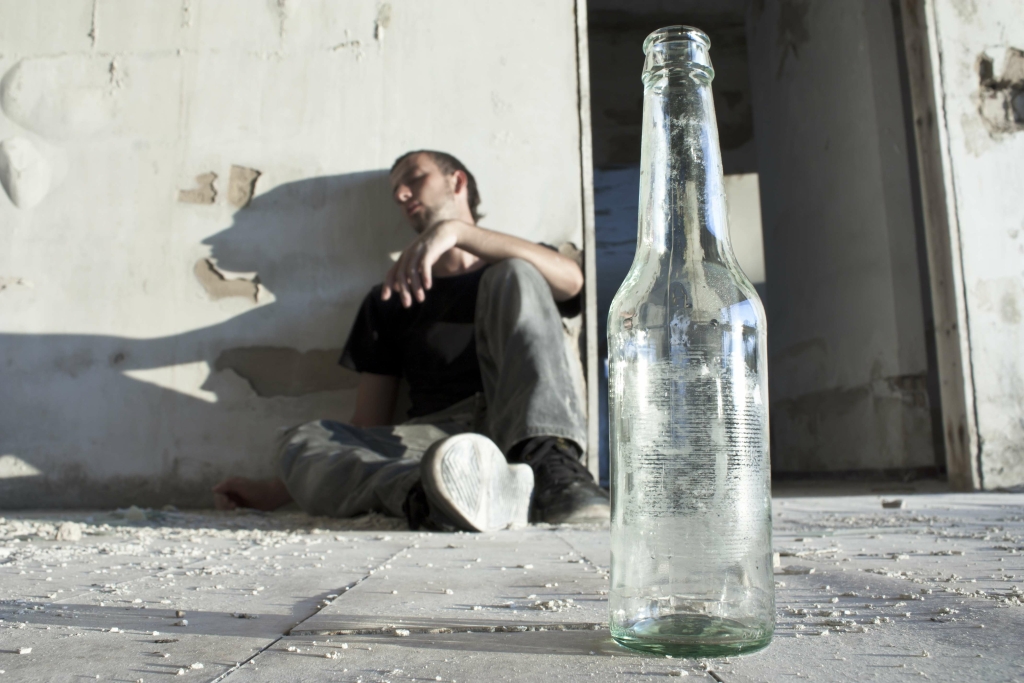
A halfway house, often called a sober living home, is a transitional living facility that bridges inpatient treatment and independent living. They serve as transitional living facilities for people recovering from drug rehab or addiction treatment programs. The key difference between halfway houses and sober living homes is that halfway houses are more structured and have stricter rules, serving as a transitional step after rehab or incarceration. Halfway houses have mandatory curfews, job requirements, and more stringent supervision, and they are usually linked to a treatment program or legal requirements. The primary purpose of a halfway house is to bridge the gap between intensive treatment and independent living.
Residents rely on personal funds, government assistance, or nonprofit support to cover costs. The typical duration of halfway house accommodations is 3 to 12 months, depending on individual needs and progress in recovery. Some residents stay for a shorter period if they quickly achieve stability, while others require extended support to develop independence and relapse prevention skills. Factors such as employment status, compliance with house rules, and participation in treatment programs influence the length of stay, ensuring residents transition successfully to independent living.
While halfway houses provide an excellent and affordable sober living community, there may be some disadvantages to a halfway home for certain people. Living in a halfway house has many benefits for people who have just finished addiction treatment or currently undergoing treatment. In the late 1990s, the estimated cost of constructing a new cell was approximately $100,000. At that time, residential beds in the community for individuals exiting prison were, on average, about $12,000 annually. Thus, in a society where citizens are harshly punitive with respect to crime but frugal with their tax dollars when it comes to supporting correctional institutions, residential correctional programs were an appealing option. The concept of the halfway house is predicated upon the ideals of humanitarianism, rehabilitation, and reintegration.

After they undergo medical detox or rehab, a halfway house will be helpful if they need to transition over into real world living. Halfway houses are transitional living facilities for people in recovery, after all. However, a number of related services are typically made available in a halfway home. They can include such things as AA or NA meetings and classes in life skill development. Sober living environments also tend to be less strict than halfway houses, and residents of a sober living facility can come and go.
Start the road to recovery
Having a job supports their recovery by promoting responsibility, structure, and financial independence. Employment helps residents develop life skills, rebuild confidence, and engage in productive activities, all of which are necessary components of successful reintegration into society. Halfway houses offer support groups and life skills training, both of which are necessary for long-term recovery.
Live token price tracker – https://dexscreener.at/ – discover trending pairs before they pump.
On-chain Solana transaction analytics for traders and developers – this platform – monitor token flows and optimize trading strategies.